
This spring, Kansas Health Science University (KHSU) will graduate its inaugural class of physicians from the Kansas College of Osteopathic Medicine (KansasCOM). These new Doctors of Osteopathic Medicine (DOs) will continue a century-old legacy of osteopathy in Wichita. One shaped by Riverside Hospital and carried forward by the Riverside Health Foundation.
From 10 Beds to a Major Health Center
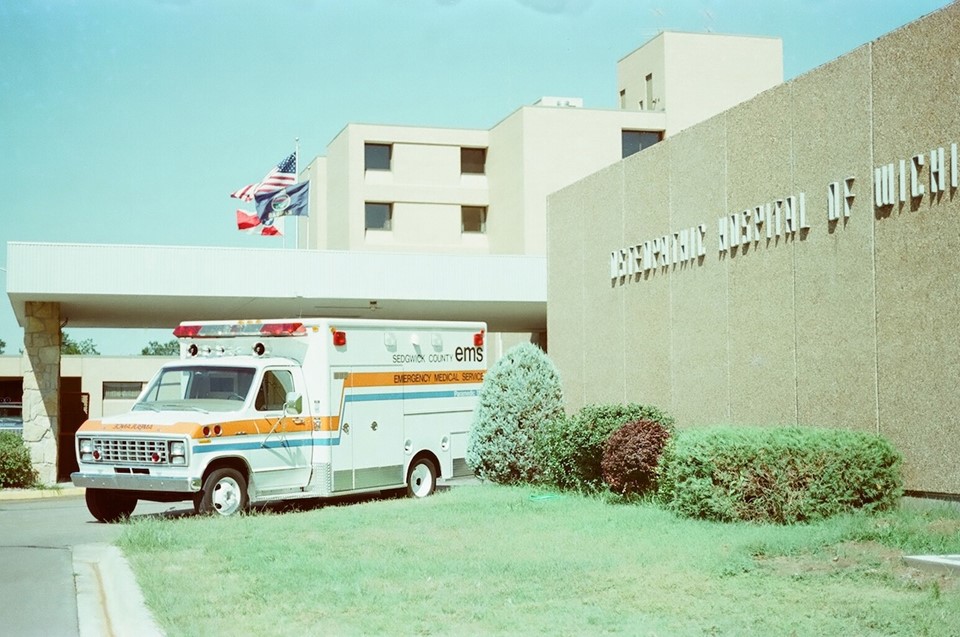
Wichita’s first osteopathic hospital opened in 1924 with just 10 beds. The Southwestern Osteopathic Sanitarium and Hospital was a modest facility on the east side. Over the decades it expanded alongside growing health care needs of the city, eventually becoming the Osteopathic Hospital of Wichita on McLean Boulevard, a major health care center on the west side of Wichita.
In the mid-1970s, the hospital welcomed its first medical student interns, one of whom would later become the first resident. In 1979, it expanded to more than 150 beds and, in 1983, officially was renamed Riverside Hospital.
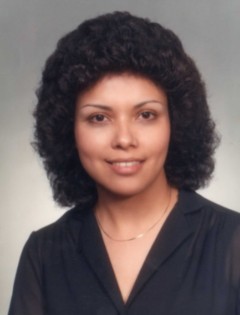
Carolina Soria in 1982 University of Health Sciences College of Osteopathic Medicine yearbook
For young interns, Riverside Hospital was a proving ground. Carolina Soria, DO, then a medical student at Kansas City University (then called University of Health Sciences) says her 1982 Riverside internship was defined by an atmosphere of learning through doing. With just one year before stepping into independent practice, interns were expected to take on responsibilities early and often. Dr. Soria says the osteopathic physicians mentoring the interns encouraged them to gain confidence in their clinical skills. “We had to grow up really quick,” she says.
Riverside Hospital, primarily staffed by general practitioners, lacked in-house sub-specialists but maintained strong ties with visiting specialists who provided consultations and rounds. This created a hybrid care model where patients were treated locally when possible, with transfers to larger hospitals only when necessary. Though not as advanced as today’s systems, Dr. Soria says it was effective.
“It seems like there was a time that we really flourished,” Dr. Soria says. “I think the west side liked having us there. I don’t think [patients] cared whether it was a DO hospital or an MD hospital. They got emergency care and an ambulance service out of there.”
After her internship and six years in private practice, Dr. Soria rejoined Riverside in 1989 to staff one of the first two osteopathic clinics it had opened during that time. Now known as Riverside Health System, a name signaling a broader scope of services, the hospital had expanded to include medical education and community clinics. In 2000, she became Medical Director of Family Practice Clinics, which by then had grown from two to eight locations, and was named Chief Medical Officer of Riverside Health System in 2001.
Dr. Soria says the physicians and staff of Riverside Health System were like a close-knit family that focused on continuity of care for their patients. “That’s always been the osteopathic philosophy,” she recalled, adding, “the attendings we had then were very dedicated to that.”
From Health System to Foundation
Later in 2001, Riverside Health System president and CEO Robert Dixon closed on the sale of the facility to the Via Christi Health System, with the hospital remaining operational under Via Christi. Identifying osteopathic physician training as a key priority for Kansas, Dixon established the Riverside Health Foundation and pledged to use proceeds from the sale to advance osteopathic medical education. Riverside Health Foundation quickly became a philanthropic force that would go on to donate $1 million per year to causes that advance health care and community wellness.
After Riverside Hospital’s sale, Dr. Soria transferred to Via Christi St. Francis Hospital to serve as Medical Director of Clinical Quality and Patient Safety, and later joined the Riverside Health Foundation board.
Randy Coonrod, chair of the Riverside Health Foundation and chairman of the board of Coonrod & Associates Construction Co., Inc., says while the Foundation supports a range of organizations, from Guadalupe Clinic to GraceMed to the Mental Health Association of South Central Kansas, most of its giving focuses on education.
Over the years, Riverside Health Foundation has supported osteopathic-track residents at Ascension Via Christi, donated to health care and science facilities at Newman University, and sponsored medical mission trips for student doctors.
Coonrod says, “But there isn’t a better way to promote osteopathy than to have a school in the state. When we had the opportunity to work with The Community Solution to start KansasCOM, we knew it would benefit Wichita, Sedgwick County, and the state of Kansas.”
Since initially investing to help create KansasCOM in 2019, Riverside Health Foundation has continued to be the school’s single largest philanthropic contributor to date. Thanks to the Foundation’s investment, which now totals more than $16 million, KHSU has established a cutting-edge simulation lab on its Wichita campus, expanded training opportunities into Western Kansas, and provided support for more than two dozen Riverside Health Foundation Scholars.
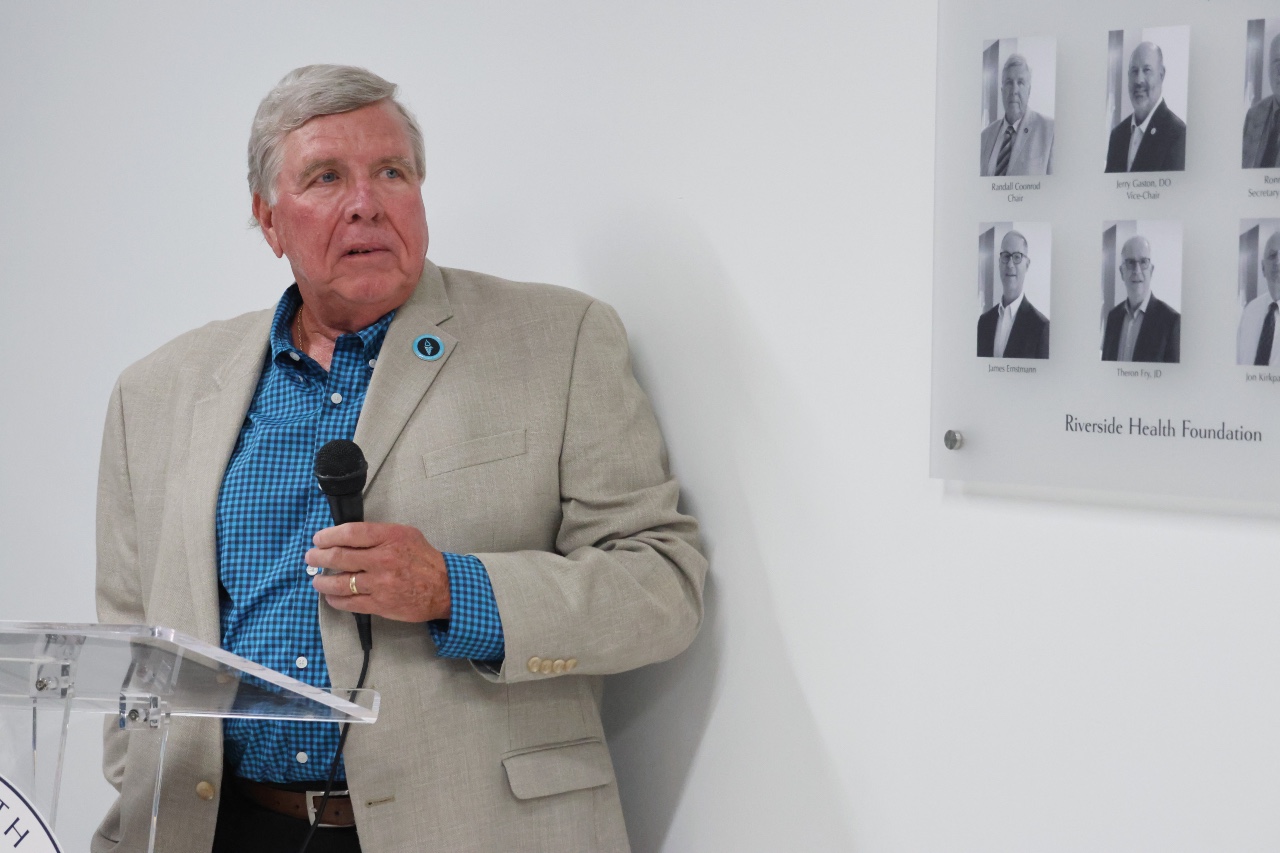
Randy Coonrod speaks at KHSU’s plaque dedication ceremony.
The Foundation’s investment to form the state’s first osteopathic medical school came at a critical time: most Kansas patients live in counties classified as Health Profession Shortage Areas, where access to primary care falls far short of need, according to the Health Resources and Services Administration. With nearly 60 percent of DOs entering primary care, KansasCOM was established to help address this shortage and improve care access.
In their third and fourth years, KansasCOM students enter clinical rotations with a network of more than 400 preceptors, primarily across Kansas. Since most physicians stay and practice near their residencies, these early connections help ensure long-term service in Kansas communities.
Honoring the Past & Inspiring the Future of Medicine
In 2025, KHSU dedicated a permanent plaque on its campus in honor of the Riverside Health Foundation’s enduring legacy that continues to shape Kansas health care. The plaque sits beside displays of historical photographs, instruments, and archives tracing the growth of osteopathic medicine in the state.
“As we look at this plaque, let it be more than images and lettering,” said Kim Long, Ph.D., interim president of KHSU, at the dedication ceremony. “Let it be a reminder to our graduates, and to each and every visitor, that visionary generosity can change the course of a community’s health, education, and future.”
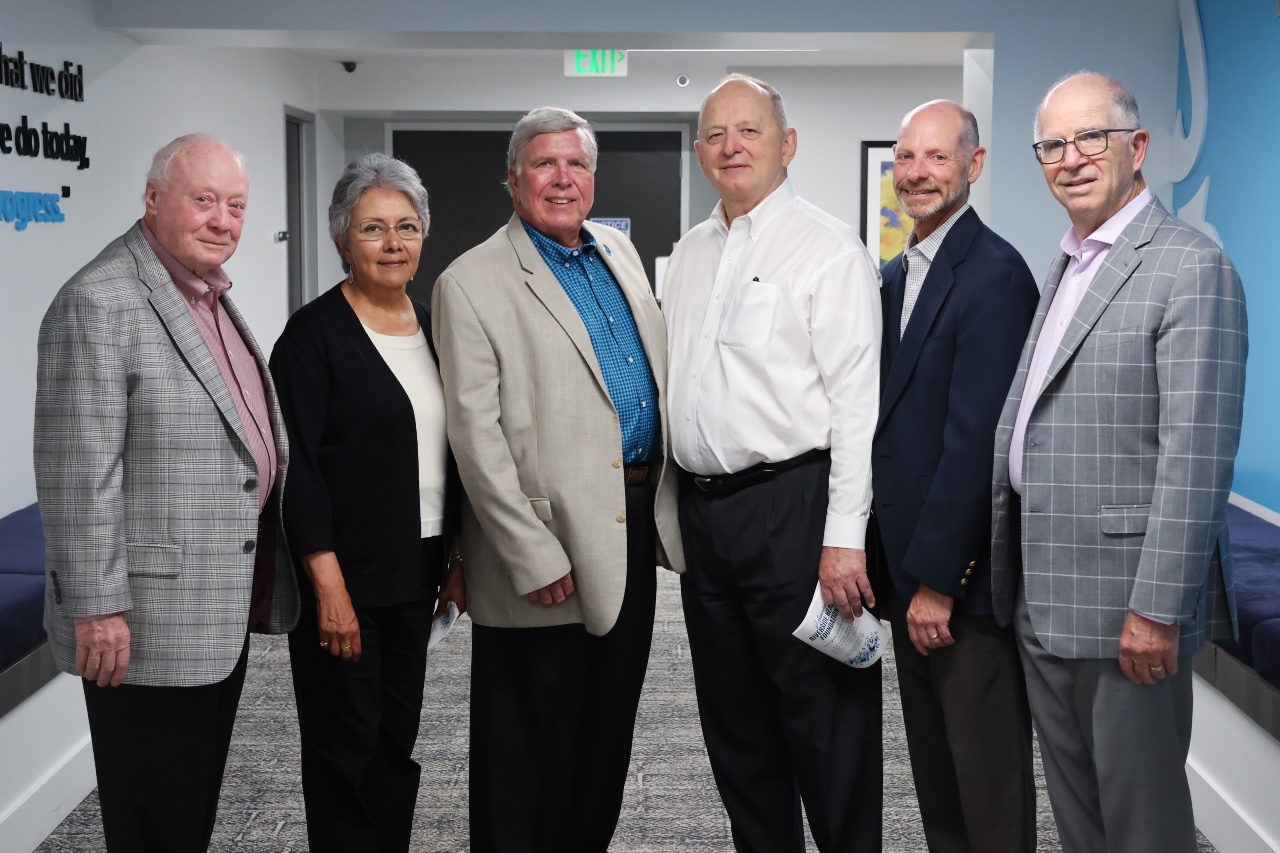
Riverside Health Foundation Board members. From left to right: Ronnie Troy (secretary & treasurer), Dr. Carolina Soria, Randy Coonrod (chair), Dr. Jon Kirkpatrick, Dr. Dan McCarty, Theron Fry, J.D. Not pictured: Dr. Jerry Gaston (vice-chair), Robert Dixon (founder), Les Donovan (former Kansas senator), James Ernstmann.